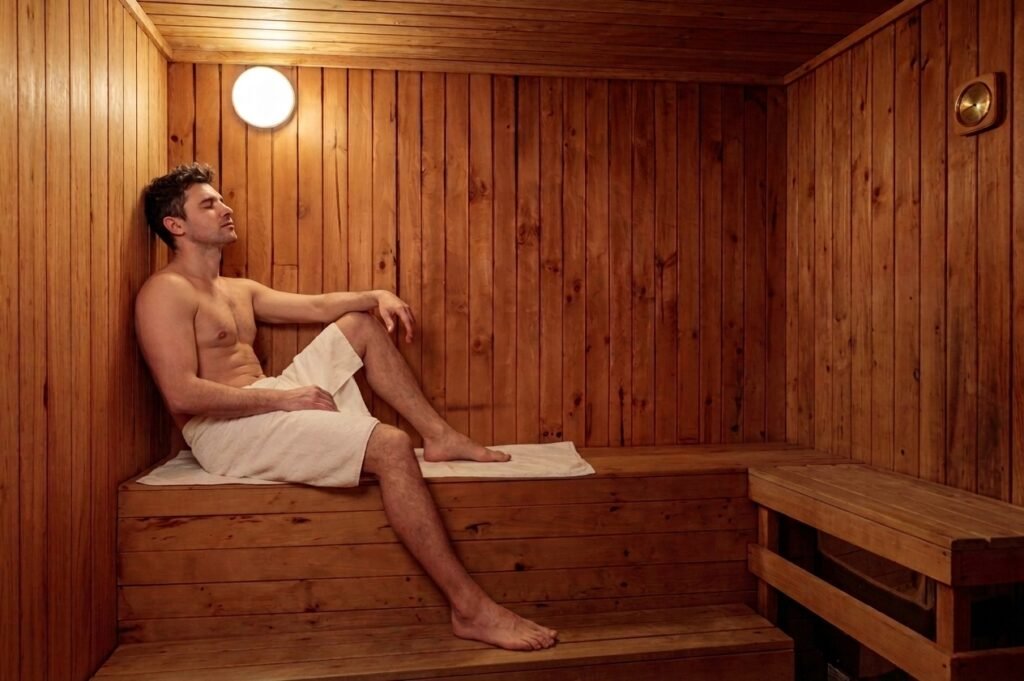
Sauna Before Bed: Is It Good for Sleep?
Getting quality sleep is an important part of feeling well the next day. Good sleep supports concentration, energy, mood, and physical recovery. However, relaxing at night is not always easy. A busy schedule, daily stress, exercise, and long hours in front of screens can make it harder to switch from an active day to a restful night.
This is where sauna before bed can become an interesting part of an evening routine. A sauna provides a warm and quiet environment where you can step away from everyday distractions. The heat also causes a temporary rise in body temperature. After the session, your body begins to release that heat and gradually cool down.
That warm-to-cool transition is one reason researchers have become interested in heat exposure and sleep. Body temperature naturally changes as part of the sleep-wake cycle. As bedtime approaches, core body temperature tends to decrease. Heat exposure earlier in the evening may work alongside this natural process as the body cools afterward.
Still, sauna should not be considered a guaranteed solution for sleep problems. Everyone responds to heat differently. Some people feel calm and sleepy after a session, while others may feel too warm or uncomfortable. The experience can also depend on the sauna type, timing, session intensity, and what you do afterward.
How Does Sauna Before Bed Affect the Body?
When you enter a sauna, your body responds to the surrounding heat. Skin blood flow increases as your body works to move heat toward the surface. Sweating also helps your body regulate its temperature.
During the session, your body becomes warmer. Once you leave the sauna, the temperature-regulation process continues. Your body gradually releases heat and begins moving back toward its normal state.
This cooling period is particularly relevant when discussing sleep. The body naturally becomes cooler during the transition toward sleep. Researchers have found that passive heating before bedtime, especially through warm baths and showers, may help people fall asleep more easily.
Sauna research is more limited than research on warm bathing. That means we should be careful about assuming that the same effects occur in exactly the same way. However, the general relationship between body heating, subsequent cooling, and sleep makes sauna an interesting area of wellness research.
The important point is that being extremely hot is not the goal. A comfortable session followed by a gradual cooling period may be more suitable for an evening routine.
Why a Sauna Can Feel Relaxing at Night
The potential connection between sauna and sleep is not only about temperature. The environment itself can contribute to relaxation.
Modern life often keeps people mentally active until late at night. Notifications, social media, work, entertainment, and other activities can make it difficult to create a clear boundary between daytime and bedtime. Even when your body feels tired, your mind may still be engaged.
A quiet sauna session can provide a short break from that stimulation. Instead of moving between different tasks, you have an opportunity to sit quietly and slow down. The warmth may feel soothing, while the lack of distractions can make the experience feel more peaceful.
For some people, this can become a useful evening ritual. The sauna becomes a signal that the active part of the day is ending. Afterward, they can shower, relax, and prepare for bed without immediately returning to a busy environment.
That routine may be just as valuable as the heat itself. Sleep habits tend to work better when they are consistent and realistic. If a sauna helps you create a calmer transition into bedtime, it may have a useful place in your evening routine.
Can Sauna Before Bed Help You Fall Asleep Faster?
Some people say they feel sleepy after using a sauna at night. There are several possible reasons for this feeling.
First, heat exposure temporarily raises body temperature. After leaving the sauna, the body starts cooling again. This creates a clear change from warmth to cooling, which may support the body’s normal preparation for sleep.
Second, relaxation can make it easier to transition into bedtime. Spending time in a calm environment may reduce some of the mental stimulation that keeps people active at night.
Research into passive heating has found promising results for sleep onset. Warm baths and showers taken before bedtime have been associated with faster sleep onset and improvements in some measures of sleep quality. However, those findings should not be presented as direct proof that sauna produces the same results.
Sauna-specific research is still developing. More controlled research is needed to understand how factors such as heat level, timing, sauna type, and session length influence sleep.
So, sauna before bed may help some people feel more relaxed and ready for sleep, but it is not guaranteed to work for everyone.
When Should You Use a Sauna Before Bed?
Timing can make a difference in how comfortable you feel after a sauna session. There is no single bedtime schedule that works for everyone. Your response to heat should guide your routine.
Some people may prefer using a sauna earlier in the evening. This gives the body more time to cool down before getting into bed. It also leaves enough time for a shower, hydration, and other relaxing activities.
Others may enjoy a session closer to bedtime and still feel comfortable afterward. If the experience leaves you calm and ready for sleep, that timing may work well for you.
The important thing is to avoid treating sauna as an endurance challenge. You do not need to stay in extreme heat simply because you are trying to improve sleep. If you feel excessively hot, dizzy, weak, nauseous, or uncomfortable, leave the sauna and allow yourself to cool down.
A good evening routine should leave you feeling relaxed rather than exhausted.
Traditional vs. Infrared Sauna Before Bed
Both traditional and infrared saunas can provide a warm environment, but they work differently.
A traditional sauna heats the surrounding air. The temperature can become quite high, creating the intense heat many people associate with a classic sauna experience. An infrared sauna uses infrared energy to warm the body while generally operating at a lower surrounding air temperature.
Neither option can currently be described as universally better for sleep. Personal comfort is an important factor. Someone who enjoys traditional sauna heat may find that experience relaxing, while another person may prefer the gentler feel of an infrared sauna.
The best choice is therefore not necessarily the sauna with the highest temperature. It is the option that allows you to enjoy a comfortable session without leaving you overly hot or uncomfortable afterward.
For an evening routine, that distinction matters. The purpose is to create a relaxing transition toward sleep, not to maximize heat exposure.
What Happens After the Sauna Matters Too
The period immediately after your sauna session can influence how the experience fits into your bedtime routine.
Your body continues to release heat after you leave the sauna. Giving yourself time to cool down naturally can make the transition more comfortable. A normal shower, comfortable clothing, and a quiet environment can help you move into the next part of your evening.
This is also a good time to reduce stimulating activities. Jumping directly from a relaxing sauna into bright screens, intense exercise, or other highly engaging activities may work against the calm environment you were trying to create.
How Heat Exposure May Help You Relax
One of the main reasons people consider using a sauna before bed is the feeling of relaxation it can provide. After a busy day, the body may be tired while the mind remains active. Work, exercise, screens, social activities, and everyday responsibilities can make it difficult to shift into a calm state at night. Spending quiet time in a warm sauna can create a natural break from that constant stimulation. Instead of moving from one activity to another, you have time to sit quietly and allow your body to slow down.
The relaxing experience may be especially useful when sauna becomes part of a consistent evening routine. A familiar routine can help create a clear separation between daytime activities and bedtime. For some people, that might mean using the sauna, taking a shower, putting away their phone, and then spending some quiet time before going to bed. The sauna itself is not necessarily responsible for every benefit. The combination of reduced stimulation, warmth, and a predictable routine may all contribute to a more relaxed evening.
The Connection Between Heat and Body Temperature
Body temperature naturally changes throughout the day, and this process is closely connected with sleep. As nighttime approaches, core body temperature generally begins to fall. This change is part of the body’s normal preparation for rest. Sauna exposure temporarily moves body temperature in the opposite direction by creating a period of warmth. Once the session ends, the body begins working to release that extra heat and return toward its normal temperature.
This warm-to-cool transition is one reason researchers have explored passive heating as a possible way to support sleep. Research on warm baths and showers has found that heating the body before bedtime may help people fall asleep more quickly. Sauna-specific research is less extensive, so those findings should not be treated as direct proof that sauna produces the same results. Still, the underlying relationship between heat exposure, cooling, and sleep makes sauna an interesting part of an evening wellness routine.
Why the Cooling Period Matters
The time after a sauna session can be just as important as the time spent inside the sauna. While you are exposed to heat, your body works to regulate its temperature through natural cooling mechanisms. After leaving the sauna, that process continues as your body gradually releases heat. This can create a noticeable shift from warmth to a more comfortable temperature.
For an evening routine, allowing enough time for this cooling process can make the experience more pleasant. Going directly from intense heat into bed may leave you feeling too warm or uncomfortable. Instead, give your body some time to settle after the session. A calm shower, comfortable clothing, and a quiet environment can help create a smoother transition toward bedtime. The goal is not to remain hot for as long as possible. It is to finish the experience feeling comfortable and relaxed.
Can Sauna Before Bed Help You Fall Asleep Faster?
Some people find that they feel sleepy after an evening sauna. This response may come from several factors working together rather than from heat alone. The temporary rise in body temperature is followed by a cooling period, while the quiet environment can help reduce mental stimulation. When these effects happen as part of a consistent evening routine, they may make it easier for some people to transition toward sleep.
However, the response is not universal. One person may feel calm and ready for bed after a sauna, while another may feel too warm or energized afterward. Factors such as heat intensity, session timing, hydration, and individual tolerance can all influence the experience. This is why there is no single sauna routine that should be presented as the perfect solution for everyone.
If you notice that sauna helps you feel relaxed, it may be a useful addition to your evening routine. If you consistently feel restless or overheated afterward, using the sauna earlier in the evening may be more comfortable. Your body’s response is a better guide than simply following a fixed schedule.
Traditional vs. Infrared Sauna Before Bed
Both traditional and infrared saunas can provide a relaxing heat experience, but they create that experience differently. A traditional sauna heats the surrounding air, which can create the intense heat commonly associated with sauna bathing. An infrared sauna uses infrared energy to warm the body more directly and generally operates at a lower surrounding air temperature. Because of this difference, the two environments can feel quite different even though both involve heat exposure.
When choosing between them for an evening routine, comfort should be a major consideration. Some people enjoy the strong heat of a traditional sauna, while others prefer the milder environment of infrared heat. There is currently no strong basis for saying that one sauna type is universally better for sleep. The better option is often the one that allows you to relax without leaving you excessively hot or uncomfortable afterward.
How Sauna Fits Into an Evening Routine
A sauna can work best when it becomes part of a broader wind-down routine rather than being treated as a standalone sleep solution. For example, someone might finish their daytime activities, spend some quiet time in the sauna, shower afterward, and then move into a calmer environment. Reducing bright light and limiting stimulating activities during this period can help maintain that relaxed feeling.
The routine does not need to be complicated. In fact, a simple routine is often easier to maintain over time. The purpose is to create a predictable transition toward bedtime. If sauna becomes another activity that makes your evening feel rushed, it may not provide the relaxing experience you are looking for. The most useful routine is one that fits naturally into your schedule and leaves you feeling comfortable.
Why Hydration Is Important
Sweating is a normal response to sauna heat, which makes hydration an important consideration. Starting a session while already dehydrated may make the experience less comfortable and can increase the chance of feeling weak or dizzy. This can be particularly relevant after exercise, when you may have already lost fluids through sweating.
Hydration should be considered throughout the day rather than treated as something you only think about after using the sauna. Drink fluids regularly and pay attention to how your body feels before and after heat exposure. There is also no benefit in trying to maximize sweating. A comfortable sauna session is more appropriate than deliberately pushing your body to tolerate excessive heat.
What Can Work Against Better Sleep?
Although sauna may support relaxation for some people, certain habits can work against that goal. Staying in the heat for too long can leave you feeling drained rather than relaxed. Choosing an unnecessarily intense temperature can also make the experience uncomfortable. The purpose of using a sauna before bed should be to create a calm transition, not to test how much heat you can tolerate.
What you do after the session also matters. If you leave the sauna and immediately return to bright screens, demanding work, or other stimulating activities, the relaxing effect may not carry into bedtime. Allowing some quiet time after the session can help your body and mind settle. If you regularly feel overheated or restless after evening sauna use, consider moving the session earlier in your routine.
Should You Use a Sauna Every Night?
Using a sauna every night is not necessary for creating a healthy sleep routine. Sauna can be an enjoyable wellness habit, but more frequent use does not automatically mean better sleep. Your overall sleep habits are still more important than how often you use a sauna.
A consistent sleep schedule, a comfortable bedroom, enough time for rest, and a relaxing pre-bed routine all play important roles. Sauna can complement these habits when it feels comfortable and enjoyable. There is no need to force yourself into a daily routine if it does not suit your schedule or how your body responds.
Ultimately, the goal is to create an evening routine that helps you feel calm and prepared for sleep. For some people, sauna before bed may fit naturally into that routine. For others, using the sauna earlier in the day may be a better choice. The most important factor is finding an approach that feels comfortable, sustainable, and appropriate for you.
How to Build a Relaxing Evening Sauna Routine
Using a sauna before bed can be part of a relaxing evening routine when it fits comfortably into your lifestyle. The goal should be to create a calm transition from daytime activity to nighttime rest. Instead of treating the sauna as something you need to endure, think of it as a quiet period where you can step away from work, exercise, screens, and other distractions. Afterward, give yourself enough time to cool down and return to a comfortable temperature before getting into bed.
Your evening routine can remain simple. You might use the sauna, take a comfortable shower afterward, drink some water, and spend a little quiet time before sleeping. Keeping the environment calm can help extend the relaxed feeling beyond the sauna itself. Over time, this type of routine may become a familiar signal that the active part of your day is coming to an end.
What Should You Do After a Sauna Before Bed?
The period immediately after sauna can influence how comfortable you feel at bedtime. Your body will continue releasing heat after you leave the sauna, so there is usually no reason to rush straight into bed while you still feel very warm. Give yourself some time to cool naturally and settle into a comfortable environment. A shower can also be useful if you prefer to feel refreshed before sleeping.
Hydration is another simple part of the post-sauna routine. Because sauna heat can cause sweating, replacing fluids can help you feel more comfortable afterward. You do not need to turn hydration into another complicated wellness routine. Regularly drinking enough fluids throughout the day and paying attention to how you feel after heat exposure is a sensible approach.
What If Sauna Makes You Feel Too Awake?
Not everyone becomes sleepy after sauna. Some people may feel relaxed, while others may feel temporarily more alert after heat exposure. If you notice that an evening sauna makes it harder to settle down, that does not necessarily mean sauna is unsuitable for you. The timing may simply need to change.
Try moving your sauna session earlier in the evening rather than immediately before bedtime. This gives your body more time to cool and your mind more time to transition into sleep. It can also help to keep the rest of your evening quiet and consistent. Your personal response matters more than following a specific schedule simply because it works for someone else.
Is Sauna Before Bed Good for Everyone?
Sauna is not automatically suitable for every person or every situation. People can respond differently to heat, especially when they have certain health conditions or take medications that affect hydration, blood pressure, circulation, or temperature regulation. Pregnancy and other medical circumstances may also require individual guidance before using a sauna.
If you have a health condition, take medication regularly, or are unsure whether sauna is appropriate for you, speak with a qualified healthcare professional. It is also important to leave the sauna if you feel unwell, unusually weak, dizzy, nauseated, or uncomfortable. Sauna should be a comfortable wellness activity, not something you push through when your body is telling you to stop.
Sauna Before Bed and Other Sleep Habits
A sauna cannot replace the basic habits that support healthy sleep. Your sleep schedule, bedroom environment, evening activities, and overall lifestyle still matter. If you regularly stay up late, use bright screens until bedtime, or consume stimulating drinks late in the evening, adding sauna alone may not make a major difference.
Instead, think of sauna as one part of a larger nighttime routine. A consistent bedtime, a comfortable sleeping environment, reduced evening stimulation, and enough time for rest can work together with relaxation practices such as sauna. When these habits are consistent, it becomes easier to understand whether sauna is actually helping you personally.
Frequently Asked Questions
Is sauna before bed good for sleep?
Sauna before bed may help some people feel more relaxed and ready for sleep. Heat temporarily raises body temperature, followed by a natural cooling period after the session. That transition may support the body’s normal preparation for sleep. However, research specifically focused on sauna and sleep is still limited, so it should not be considered a guaranteed sleep treatment.
How long before bed should you use a sauna?
There is no universal timing that works for everyone. Some people prefer sauna earlier in the evening so they have plenty of time to cool down afterward. Others may find that a closer evening session feels relaxing. If you consistently feel too warm or alert at bedtime, moving the session earlier may be worth trying.
Can an infrared sauna be used before bed?
Yes, an infrared sauna can be included in an evening wellness routine if you find the experience comfortable. Infrared saunas generally operate at a lower surrounding temperature than traditional saunas, although they still expose the body to heat. The most suitable option depends on personal comfort and how your body responds.
Does sauna help you fall asleep faster?
It may help some people fall asleep more easily by promoting relaxation and creating a warm-to-cool transition. Research on passive heating before bedtime provides some support for this general concept. However, direct evidence for sauna specifically is more limited. Individual responses can also vary.
Should you use a sauna every night for better sleep?
No. There is no need to use a sauna every night simply because you want better sleep. A consistent sleep schedule and healthy evening habits are more important foundations. Sauna can be an optional part of your routine when it feels comfortable and fits naturally into your lifestyle.
Can sauna after exercise help with nighttime relaxation?
For some people, an evening sauna after exercise can feel relaxing and provide a transition between physical activity and rest. However, exercise itself can affect energy levels and body temperature, so timing matters. If you exercise late and use sauna afterward, give yourself enough time to cool down and recover before going to bed.
Final Thoughts
The idea behind sauna before bed is fairly simple. Heat creates a temporary rise in body temperature, and the body then works to cool itself afterward. Combined with a quiet environment and a consistent evening routine, this process may help some people feel more relaxed before sleep. The evidence is promising in some areas, particularly around passive heating and sleep, but sauna-specific research is still developing.
The best approach is not to treat sauna as a guaranteed solution for poor sleep. Instead, consider it one possible part of a healthy evening routine. Choose a comfortable experience, allow yourself time to cool afterward, stay hydrated, and pay attention to how your body responds. If sauna leaves you feeling calm and comfortable, it may become a useful part of your nighttime routine. If it makes you feel overheated or restless, changing the timing may be a better option.
For people in South Jordan, West Jordan, Riverton, Herriman, Sandy, Draper, Bluffdale, and the wider Salt Lake City area, an evening sauna can also be part of a broader recovery and wellness routine. At KuulClub in South Jordan, members can choose between traditional and infrared sauna experiences depending on their preferences. The important thing is to approach sauna as a supportive wellness habit rather than a replacement for healthy sleep practices or professional medical care.
Related Reading
- Traditional vs. Infrared Sauna: Everything You Need to Know
- Benefits of Infrared Sauna for Recovery
- Traditional Sauna Benefits Beyond Relaxation
- Sauna Before or After a Workout? Benefits of Sauna After Workout
- How Long Should You Stay in a Sauna?
- Common Sauna Mistakes to Avoid
- Is Sauna Safe for Everyone?
 A Note for Our Readers
The information in this article has been researched using scientific studies and reliable health sources. It is provided to help readers better understand sauna temperature, heat exposure, and general safety considerations.
This content is for general educational and informational purposes only. It is not a substitute for professional medical advice, diagnosis, or treatment. Everyone can respond differently to heat.
If you have a medical condition, take medication, are pregnant, or have concerns about sauna use, please consult a qualified healthcare professional before using a sauna.