
What Are the Benefits of Compression Therapy?
Recovery is an essential part of maintaining an active and healthy lifestyle. Whether you’re an athlete pushing through intense workouts, a busy professional spending long hours on your feet, or someone looking to improve overall wellness, how well your body recovers can significantly impact how you feel each day.
Compression Therapy has become one of the most popular recovery treatments because it offers a simple, comfortable, and non-invasive way to support circulation, reduce swelling, and promote recovery. Many athletes and wellness enthusiasts now include Compression Therapy as a regular part of their health and recovery routines.
At Kuul Recovery Club, members often combine Compression Therapy with other recovery services to help their bodies recover more efficiently and maintain peak performance.
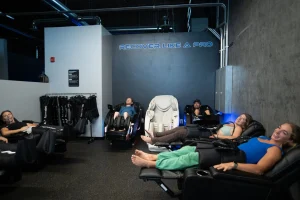
Why Is Compression Therapy Becoming So Popular?
The growing popularity of Compression Therapy comes from its ability to support the body’s natural recovery processes. Using specialized compression sleeves, the treatment applies rhythmic pressure to the legs, helping encourage healthy blood flow and fluid movement throughout the body.
This gentle compression mimics the body’s natural muscle pump and may help reduce feelings of heaviness, fatigue, and discomfort that often occur after exercise, long workdays, or extended periods of sitting.
Improved Circulation and Blood Flow
One of the most recognized benefits of Compression Therapy is its ability to support healthy circulation.
As the compression sleeves inflate and deflate, they help encourage blood flow through the legs and back toward the heart. Healthy circulation plays an important role in delivering oxygen and nutrients throughout the body while helping remove metabolic waste products from muscles and tissues.
According to the Cleveland Clinic, Compression Therapy is commonly used to improve circulation and help manage swelling in the lower extremities.
Reduced Swelling and Fluid Retention
Many people experience swelling in their legs, ankles, and feet after long periods of standing, traveling, or physical activity.
Compression Therapy helps promote healthy fluid movement throughout the body, which may help reduce temporary swelling and improve overall comfort. Many clients report feeling lighter, more energized, and less fatigued following a session.
This benefit makes Compression Therapy particularly valuable for healthcare workers, teachers, retail employees, travelers, and anyone who spends long hours on their feet.
Faster Muscle Recovery After Exercise
Can Compression Therapy help you recover faster after a workout?
For many athletes and active individuals, the answer is yes.
After exercise, muscles need time to recover and adapt. Compression Therapy supports this process by promoting healthy circulation to working muscles. Many runners, cyclists, weightlifters, and recreational athletes use Compression Therapy after training because it helps them feel refreshed and ready for their next workout.
Research published through the National Institutes of Health (NIH) suggests that compression-based recovery methods may help support post-exercise recovery and circulation.
Less Muscle Fatigue Throughout the Day
Muscle fatigue doesn’t only affect athletes. Long workdays, physical labor, and extended periods of standing can leave muscles feeling tired and heavy.
Compression Therapy supports healthy blood flow, which may help reduce feelings of fatigue and discomfort. This is one reason why many busy professionals use Compression Therapy as part of their regular wellness routine.
Support for Lymphatic Drainage
The lymphatic system plays an important role in maintaining fluid balance and supporting the body’s natural waste-removal processes.
Unlike the circulatory system, the lymphatic system relies heavily on movement to transport fluid throughout the body. Compression Therapy may help encourage healthy lymphatic flow by promoting fluid movement and supporting circulation.
As a result, many individuals incorporate Compression Therapy into their broader wellness and recovery programs.
Is Compression Therapy Worth Trying?
If you’re looking for a comfortable, non-invasive way to support circulation, reduce swelling, and improve recovery, Compression Therapy may be worth considering.
The treatment requires no downtime, feels relaxing, and can easily fit into most lifestyles. Whether your goal is athletic performance, recovery, or general wellness, Compression Therapy can be a valuable addition to your routine.
At Kuul Recovery Club, we proudly serve clients from South Jordan, Riverton, Sandy, West Jordan, Herriman, and Daybreak who want access to advanced recovery technologies in a welcoming environment.
Sources
- Cleveland Clinic. Compression Therapy: Types and Benefits.
- National Institutes of Health (NIH). Compression-Based Recovery Research.
- Hill, J., Howatson, G., van Someren, K., Walshe, I., & Pedlar, C. (2014). Influence of compression garments on recovery after exercise-induced muscle damage. International Journal of Sports Physiology and Performance, 9(4), 610–620.
- Brown, F., Gissane, C., Howatson, G., van Someren, K., Pedlar, C., & Hill, J. (2017). Compression garments and recovery from exercise-induced muscle damage: A meta-analysis. Sports Medicine, 47(11), 2245–2267.
- Wilke, J., Niederer, D., Vogt, L., Banzer, W., & Hotfiel, T. (2020). Compression garments and recovery from strenuous exercise: A systematic review and meta-analysis. Journal of Sports Sciences, 38(7), 813–824.
Disclaimer
This article is for educational purposes only and should not be considered medical advice. Always consult a qualified healthcare professional before beginning any new recovery or wellness treatment.