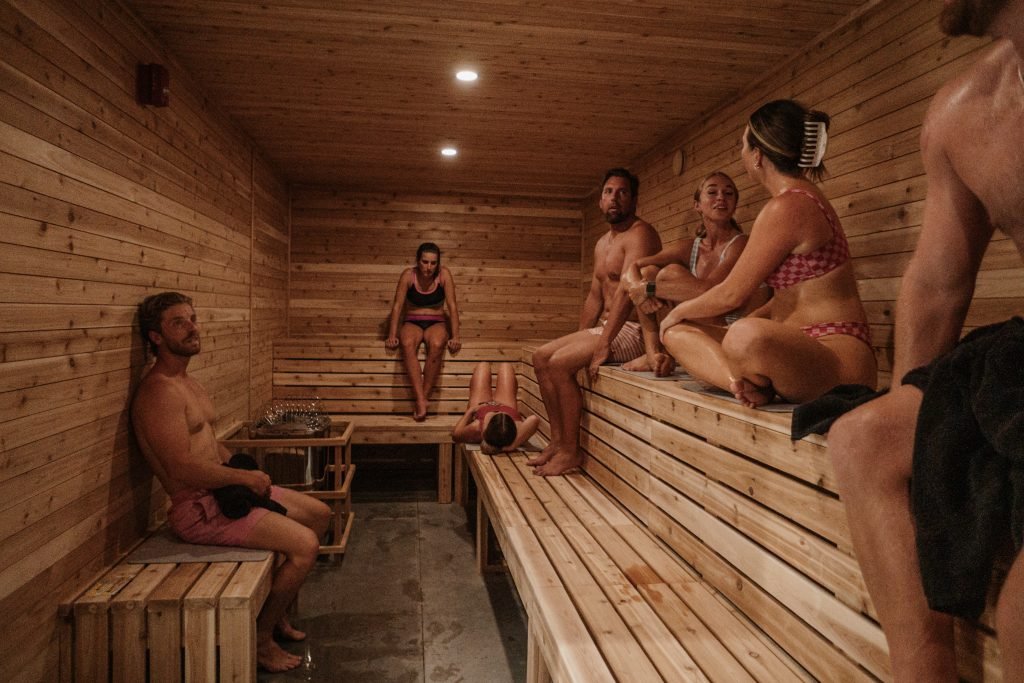
Traditional Sauna Is About More Than Relaxation
For many people, a traditional sauna is simply a place to slow down. You step into the warm room, leave the noise of the day behind, and spend a few quiet minutes away from work, exercise, and everyday responsibilities. That relaxing experience is a big part of why sauna remains popular.
But there is more happening inside a traditional sauna than simply feeling warm.
When your body is exposed to high temperatures, it responds by increasing blood flow toward the skin, raising heart rate, and producing sweat to help regulate body temperature. These natural responses have made sauna bathing an interesting subject for researchers studying cardiovascular health, circulation, exercise recovery, and general wellbeing.
The research doesn’t mean sauna should replace exercise, proper nutrition, good sleep, or medical care. Instead, it suggests that regular sauna use may have a useful place alongside those healthy habits.
For people looking to explore sauna as part of a broader wellness routine in South Jordan, UT, KuulClub’s sauna offers a convenient option to consider.
What Makes a Traditional Sauna Different?
A traditional sauna heats the surrounding air, creating a hot environment that gradually raises your body’s temperature. As your body absorbs that heat, it begins working to keep its internal temperature within a normal range.
Blood vessels near the skin expand, allowing more blood to move toward the surface. Your heart rate can increase, and sweating becomes an important way for your body to release heat.
That’s why you can experience a noticeable cardiovascular response while sitting still.
This doesn’t mean a sauna session is the same as exercise. Walking, running, cycling, and strength training place completely different demands on the body. Sauna creates a passive heat stimulus rather than the mechanical and metabolic demands associated with physical activity.
Understanding that difference helps keep the conversation around sauna realistic.
Cardiovascular Health Is One of the Most Studied Areas
One of the most interesting areas of sauna research involves the cardiovascular system.
During heat exposure, your heart works harder to circulate blood, while blood vessels near the surface of the skin widen. These changes are part of the body’s normal response to heat.
In one study, researchers examined the effects of a 30-minute sauna session in adults with at least one cardiovascular risk factor. They observed an increase in heart rate during the session, followed by temporary changes in blood pressure and arterial stiffness.
These findings help explain why researchers continue to investigate sauna beyond its traditional association with relaxation.
However, one important point should not be overlooked. A short-term change in blood pressure or heart rate doesn’t mean sauna is a treatment for cardiovascular disease. It simply shows how the cardiovascular system responds to heat.
What Do Long-Term Studies Tell Us?
Researchers have also studied people who regularly use Finnish-style saunas over many years.
A major review published in Mayo Clinic Proceedings examined the evidence surrounding sauna bathing and cardiovascular health. The authors reported associations between regular sauna use and several cardiovascular outcomes, including lower risks of hypertension and cardiovascular disease.
Those findings are promising, but they need to be interpreted carefully.
Much of the long-term research is observational. This means researchers can identify relationships between sauna habits and health outcomes, but they cannot prove that sauna itself caused those outcomes.
People who regularly use saunas may also exercise more, follow different diets, have different stress levels, or have other lifestyle factors that contribute to their health.
So the most accurate conclusion is not that sauna prevents heart disease. Rather, regular sauna bathing has been associated with better cardiovascular outcomes in some populations, which is one reason the subject continues to receive scientific attention.
How Does Heat Affect Circulation?
The increased warmth you feel during a sauna session is accompanied by changes in circulation.
When your body temperature rises, blood vessels close to the skin expand. More blood can then reach the body’s surface, helping transfer heat away from the core.
Researchers have also explored whether repeated passive heat exposure may influence vascular function over time. A systematic review and meta-analysis published in 2021 found that passive heat therapy was associated with modest improvements in blood pressure and flow-mediated dilation.
This research involved passive heat therapy more broadly rather than traditional sauna alone, so it shouldn’t be presented as direct proof that every sauna session produces the same results.
Still, it adds useful context to what happens inside a hot environment and why circulation is an important part of the discussion.
Could Traditional Sauna Support Exercise Recovery?
For people who train regularly, recovery is another reason sauna can be appealing.
After a workout, your body needs time to return to its normal state. Muscles have experienced physical stress, energy stores need to be replenished, and your nervous system needs time to settle. A sauna doesn’t replace those processes, but heat exposure may complement a broader recovery routine.
Some research has explored post-exercise heat exposure and its possible effects on perceived recovery, soreness, and subsequent performance. The findings are interesting, but they aren’t consistent enough to say that sauna will automatically make everyone recover faster.
That’s why the basics remain important.
Adequate sleep, sufficient nutrition, hydration, sensible training, and enough recovery time should form the foundation. Sauna can be added to that foundation, but it shouldn’t be expected to do all the work.
The Relaxation Benefit Still Has Value
Looking at the potential physical effects of sauna doesn’t make relaxation any less important.
In fact, for many people, creating a quiet period may be one of the most useful parts of the experience.
Modern life can make it difficult to stop. Between work, phones, exercise, family responsibilities, and constant notifications, there aren’t many moments when you’re simply sitting somewhere without needing to respond to something.
A sauna can create that pause.
It shouldn’t be described as a treatment for stress or a substitute for professional mental health care. But having a consistent opportunity to slow down and disconnect can certainly make a wellness routine feel more enjoyable and sustainable.
And a habit that people actually enjoy is often easier to maintain.
Why Sauna Fits Into a Broader Wellness Routine
The potential traditional sauna benefits become more meaningful when they’re viewed as part of a bigger picture.
Regular physical activity supports cardiovascular and physical health. Nutritious food provides the energy and nutrients your body needs. Sleep allows your body and mind to recover. Hydration supports normal physiological functions.
Sauna can sit alongside those habits.
It doesn’t need to replace anything.
For someone living in South Jordan, UT, that might mean adding a sauna session after selected workouts, using it on a lighter day, or simply making time for it as part of a weekly wellness routine. People coming from West Jordan, Riverton, Herriman, Sandy, Draper, or Bluffdale may also find that having a nearby option makes consistency easier.
The goal isn’t to create an elaborate recovery schedule.
It’s to find habits that genuinely fit your lifestyle.
What the Research Doesn’t Prove
The growing interest in sauna has also created plenty of exaggerated claims. It’s easy to see research about circulation or cardiovascular health and assume that sauna must be a shortcut to better health.
The evidence doesn’t support that conclusion.
Some long-term studies show associations rather than direct cause and effect. Short-term studies demonstrate how the body responds to heat, but those responses don’t automatically translate into long-term health benefits. Research also differs in sauna temperature, duration, frequency, and participant characteristics.
So while the findings are encouraging, it’s better to keep expectations realistic.
Traditional sauna may offer benefits beyond relaxation, but it isn’t a cure-all. Its potential value is strongest when it complements the healthy habits that already form the foundation of your lifestyle.
Can Traditional Sauna Help With Recovery?
Recovery is one of the reasons sauna has become popular among people who exercise regularly. After a demanding workout, your body needs time to settle down and return to its normal state. Muscles have been stressed, your heart rate has been elevated, and you’ve likely lost some fluid through sweating.
Heat exposure may complement that recovery period, particularly when sauna is used as part of a wider routine. Some research has explored whether post-exercise heat exposure can influence perceived recovery, muscle soreness, and later physical performance.
The results, however, aren’t completely consistent. Some studies have reported positive changes, while others have found limited effects. A recent review of post-exercise heat exposure also concluded that the current evidence remains uncertain and that more research is needed to understand when heat is most useful.
So rather than thinking of sauna as a guaranteed recovery solution, it’s more useful to see it as an optional addition to an already solid recovery routine.
Heat and Muscle Relaxation
There is also a more immediate reason people enjoy sauna after physical activity: the feeling of warmth can be soothing.
After strength training, running, or other demanding exercise, your muscles may feel tight or tired. Spending some quiet time in a warm environment can make the transition from activity to rest feel more comfortable.
That doesn’t necessarily mean sauna repairs damaged muscle tissue faster. Feeling relaxed and recovering physiologically are related but different things.
Your body still needs adequate protein and overall nutrition, sufficient sleep, hydration, and appropriate rest between demanding workouts. Sauna can support the experience of recovery without replacing those fundamentals.
What About Cardiovascular Conditioning?
The cardiovascular response to sauna is another reason researchers continue to study passive heat exposure.
During a hot sauna session, your heart rate can rise as your body works to circulate blood and release heat. This creates a cardiovascular stimulus even though you’re not physically moving.
Some research has explored whether repeated sauna exposure may produce adaptations that overlap with certain cardiovascular responses to exercise. However, sauna should not be considered a substitute for aerobic activity.
Walking, cycling, swimming, running, and other forms of exercise train the body through movement and physical workload. Sauna creates a different type of stress.
The two can complement each other, but they shouldn’t be treated as interchangeable.
Sauna and Blood Pressure
Blood pressure is another area where heat exposure has received considerable research attention.
During a sauna session, blood vessels expand and circulation changes as the body attempts to manage rising temperature. After the session, blood pressure may temporarily decrease.
A meta-analysis examining passive heat therapy found modest improvements in blood pressure across the studies included in the analysis.
That finding is interesting, but it doesn’t mean sauna should be used to manage high blood pressure without professional guidance.
Blood pressure is influenced by many factors, and individual responses to heat can vary. Anyone with a cardiovascular condition or concern about blood pressure should discuss sauna use with a qualified healthcare professional.
Could Regular Sauna Use Support Heart Health?
Some of the most interesting research comes from long-term observational studies of Finnish sauna users.
In these populations, more frequent sauna bathing has been associated with lower rates of certain cardiovascular outcomes. Researchers have proposed several possible explanations, including repeated changes in vascular function, blood pressure, circulation, and autonomic regulation.
But association is not the same as causation.
People who use saunas regularly may also have healthier lifestyles in other ways. They may exercise more, eat differently, or have other habits that influence their health.
That’s why these findings should be viewed as promising evidence rather than proof that sauna alone produces long-term cardiovascular protection.
Sweating Doesn’t Equal Detoxification
One common claim surrounding sauna is that heavy sweating helps the body “detox.”
It sounds appealing, but the body’s main detoxification systems are the liver and kidneys. Sweating primarily helps regulate body temperature.
You may lose water and electrolytes when you sweat heavily, but producing more sweat doesn’t mean you’re removing harmful substances from the body in some special way.
This is an important distinction because it keeps the benefits of traditional sauna grounded in what the body actually does.
You don’t need a detox claim to appreciate sauna. The heat response, cardiovascular changes, relaxation, and potential recovery benefits are already interesting enough.
What About Skin and Sweating?
The increased sweating that occurs in a traditional sauna can make your skin feel temporarily different. Increased blood flow to the skin and perspiration are normal responses to heat.
However, it’s better not to treat sauna as a guaranteed skin treatment.
Your skin has its own natural barrier and maintenance processes, and skincare depends on many factors, including genetics, environment, hydration, and daily habits. Sauna may leave some people feeling refreshed, but claims about dramatically “cleansing” or transforming the skin go beyond what the evidence supports.
Traditional Sauna and Sleep
Another potential benefit worth discussing is the relationship between sauna bathing and sleep.
For many people, a sauna session creates a relaxing transition into the evening. Once the session ends and the body begins cooling down, that shift can become part of a broader wind-down routine.
Research into sauna and sleep is still developing, so it would be too strong to claim that traditional sauna directly improves sleep for everyone.
Still, the practical side is easy to understand. If a sauna session helps you disconnect from daily distractions and creates a consistent period of relaxation, it may become a useful part of your evening routine.
The goal should be the routine itself rather than expecting sauna to solve an underlying sleep problem.
Why Consistency Matters More Than Extremes
With any wellness practice, it’s easy to assume that more must be better.
Sauna doesn’t necessarily work that way.
Longer sessions, higher temperatures, or more frequent exposure don’t automatically produce greater benefits. Your response to heat depends on factors such as your experience, hydration, environment, activity level, and overall health.
A sustainable routine is generally more sensible than trying to tolerate as much heat as possible.
If you leave a session feeling comfortable and refreshed, that’s very different from pushing yourself until you feel unwell.
Traditional Sauna in South Jordan and Nearby Areas
For people building a regular wellness routine in South Jordan, UT, convenience can make a real difference.
A sauna habit is easier to maintain when it fits naturally around work, exercise, and everyday responsibilities. People traveling from nearby West Jordan, Riverton, Herriman, Sandy, Draper, or Bluffdale may also consider location when choosing where to include sauna in their routine.
At KuulClub, sauna can be part of a broader approach to recovery and wellness rather than something that has to stand on its own.
That distinction is useful because wellness doesn’t have to be complicated. A few consistent habits can often be more practical than constantly searching for the next recovery trend.
The Bigger Picture
The research surrounding traditional sauna is encouraging, but it isn’t a reason to overlook the basics.
Regular movement remains important. Nutrition provides the resources your body needs. Sleep supports physical and mental recovery. Hydration becomes particularly important when you’re combining exercise with heat exposure.
Making Sauna Part of a Balanced Wellness Routine
Traditional sauna doesn’t have to become a complicated part of your schedule. You don’t need to plan your entire week around heat sessions or constantly chase the “perfect” sauna routine.
The better approach is to make it fit naturally into your lifestyle.
For some people, sauna works well after certain workouts. Others prefer using it on a lighter day when they have more time to relax. Some simply enjoy having a quiet session during the week.
Whatever your preference, sauna works best as a complement to healthy habits—not a replacement for them.
Regular movement, nutritious food, quality sleep, hydration, and proper recovery should remain the foundation. Sauna can then become an additional part of that routine.
Is More Sauna Always Better?
Not necessarily.
It’s easy to assume that longer or more frequent sessions must provide greater benefits. However, there isn’t one universal sauna schedule that has been proven to be ideal for everyone.
Your response to heat can depend on your experience, hydration, recent physical activity, environment, and overall health.
A comfortable and sustainable routine is more practical than trying to tolerate the longest or hottest session possible.
The goal isn’t to turn sauna into a challenge.
It’s to make it something you can enjoy consistently.
Don’t Forget About Hydration
Sweating is a normal part of the sauna experience. It’s one of the ways your body manages an increase in temperature.
Because you’re losing fluid through sweat, hydration becomes particularly important when sauna is combined with exercise.
If you’ve already completed a demanding workout, you’ve likely lost some fluid before entering the sauna. Adding another period of heat exposure can increase that loss.
That’s why replacing fluids should remain part of your overall recovery routine.
You don’t need to force yourself to drink an excessive amount of water. Simply pay attention to your body’s needs and make sure you’re not entering a sauna already dehydrated.
Can You Use Sauna After Exercise?
For active people, sauna can fit naturally into a post-workout routine.
After finishing a workout, spending some quiet time in a warm environment can create a comfortable transition between exercise and the rest of your day.
There has also been research examining whether heat exposure after exercise can influence recovery, muscle soreness, and later performance. The findings are interesting, but they aren’t consistent enough to suggest that everyone should use a sauna after every workout.
Your overall recovery status matters.
If you’ve had an unusually intense workout, haven’t replaced enough fluids, or don’t feel well, resting may be the better option.
Sauna should support your recovery—not make an already tired body work harder.
Can Traditional Sauna Replace Cardio?
No.
A sauna session can increase heart rate and create a cardiovascular response, but it isn’t the same as cardiovascular exercise.
Walking, running, cycling, swimming, and similar activities require physical movement and muscular work. Sauna creates a passive heat stimulus while you’re sitting still.
The two can complement one another, but they shouldn’t be considered interchangeable.
This is especially important when discussing the potential cardiovascular benefits of sauna. Research has found interesting associations between regular sauna use and cardiovascular outcomes, but that doesn’t mean sauna can replace an active lifestyle.
Sauna and Blood Pressure
Heat exposure can temporarily affect blood pressure.
As your body becomes warmer, blood vessels near the skin widen and circulation changes. Blood pressure may also shift during and after a sauna session.
For many healthy people, these are normal responses to heat.
However, people can respond differently. Someone with a cardiovascular condition or blood-pressure concern may need to approach heat exposure differently from a healthy person with no underlying condition.
If you have concerns about blood pressure or cardiovascular health, it’s sensible to speak with a healthcare professional before making sauna a regular part of your routine.
Can Sauna Support Better Sleep?
Traditional sauna can also work well as part of an evening wind-down routine.
The warmth and quiet environment can give you an opportunity to step away from work, screens, and other daily distractions. After leaving the sauna, your body gradually begins cooling down, which may naturally fit into a relaxing nighttime routine.
That doesn’t mean sauna is a guaranteed treatment for sleep problems.
Sleep quality depends on many factors, including your schedule, stress levels, environment, physical activity, and daily habits.
If you’re consistently having difficulty sleeping, addressing the underlying cause is more important than relying on sauna alone.
What About the “Detox” Claims?
Sauna is often promoted as a way to “detox” the body because of the amount of sweating involved.
The reality is simpler.
Sweating primarily helps regulate body temperature. Your liver and kidneys are responsible for most of the body’s processes involved in processing and eliminating substances.
So while sweating is an important part of the heat response, producing more sweat doesn’t automatically mean you’re undergoing a special detoxification process.
Traditional sauna has plenty of legitimate reasons to be interesting without relying on exaggerated detox claims.
Who Should Be Careful With Sauna?
Many healthy adults can tolerate sauna well, but heat exposure isn’t appropriate for everyone in every situation.
People with certain cardiovascular conditions, blood-pressure concerns, problems regulating body temperature, or other medical issues may need individual guidance before using sauna.
Certain medications can also influence how your body responds to heat or fluid loss.
That doesn’t mean traditional sauna is inherently unsafe. It means your individual circumstances matter.
If you have a medical condition, take medications that may affect hydration or blood pressure, or simply aren’t sure whether sauna is appropriate for you, talk with a qualified healthcare professional first.
What Can You Realistically Expect From Traditional Sauna?
The most useful way to understand traditional sauna is to keep expectations realistic.
Research has explored its relationship with cardiovascular health, circulation, recovery, relaxation, and other areas of wellbeing. Some long-term observational studies have reported positive associations between regular sauna use and certain health outcomes.
But association doesn’t prove that sauna itself caused those outcomes.
Other research has produced more mixed findings, particularly when researchers have looked at controlled interventions rather than long-term observations.
That doesn’t make sauna useless.
It simply means the science is more nuanced than some wellness marketing suggests.
You don’t need to believe that sauna can solve every health problem to appreciate its potential value.
Traditional Sauna in South Jordan, UT
For people in South Jordan, UT, convenience can make a wellness habit easier to maintain.
When a sauna fits naturally into your schedule, it’s more likely to become a consistent part of your routine rather than something you try once and forget about.
People coming from nearby areas such as West Jordan, Riverton, Herriman, Sandy, Draper, and Bluffdale may also consider location when choosing a wellness facility.
At KuulClub’s Sauna, sauna can be part of a broader approach to recovery, relaxation, and wellness.
The goal isn’t to make your routine more complicated.
It’s to find something that fits into your lifestyle and that you genuinely enjoy.
Frequently Asked Questions
What are the main traditional sauna benefits?
Potential benefits include temporary changes in circulation, heart rate, and blood pressure, along with relaxation and possible support for certain aspects of recovery. Regular sauna use has also been associated with cardiovascular health outcomes in observational research.
Is traditional sauna good after a workout?
It can be part of a post-workout routine for people who tolerate heat well. However, hydration, nutrition, sleep, and adequate rest remain the foundation of recovery.
Can sauna replace exercise?
No. Sauna provides passive heat exposure, while exercise involves physical movement and muscular work. They should be viewed as complementary rather than interchangeable.
Does sauna improve circulation?
Heat causes blood vessels near the skin to widen and increases blood flow toward the body’s surface. This is a normal response to elevated temperature.
Can sauna help with sleep?
A relaxing sauna session may fit well into an evening routine, but it shouldn’t be considered a guaranteed solution for sleep problems.
Does sauna detox the body?
Sweating primarily helps regulate body temperature. The liver and kidneys handle the body’s main detoxification processes.
How often should you use a traditional sauna?
There isn’t one schedule that works for everyone. Your frequency should depend on your health, heat tolerance, hydration, exercise routine, and personal response.
Final Thoughts
Traditional sauna has a much broader story than relaxation alone.
The heat creates genuine physiological responses, and researchers continue to study how those responses may relate to cardiovascular health, circulation, recovery, and overall wellbeing.
Some findings are encouraging, while others remain uncertain.
That balance is important.
You don’t need to treat sauna as a miracle solution to appreciate what it can add to a wellness routine. It can provide heat exposure, quiet time, relaxation, and potentially useful physiological effects while working alongside the habits that matter most.
For people in South Jordan, UT, and nearby communities, sauna can be a simple addition to a broader approach to wellness.
Good sleep still matters.
References
- Laukkanen J, Laukkanen T, Kunutsor S. Cardiovascular and Other Health Benefits of Sauna Bathing: A Review of the Evidence. Mayo Clinic Proceedings.
- Hussain J, Cohen M. Clinical Effects of Regular Dry Sauna Bathing: A Systematic Review.
- Laukkanen T, et al. Acute effects of sauna bathing on cardiovascular function.
- Liu et al. The effect of heat therapy on blood pressure and peripheral vascular function: A systematic review and meta-analysis.
- Kunutsor SK, et al. Joint associations of sauna bathing and cardiorespiratory fitness on cardiovascular and all-cause mortality risk.
- Research examining post-exercise heat exposure and recovery.
Related Reading
- Traditional vs. Infrared Sauna: Everything You Need to Know
- Benefits of Infrared Sauna for Recovery
- Sauna Before or After a Workout?
- How Long Should You Stay in a Sauna?
- Common Sauna Mistakes to Avoid
- Is Sauna Safe for Everyone?
- Sauna and Better Sleep: Is There a Connection?
⚠️ A Note for Our Readers
The information shared in this article has been carefully researched using available studies, expert sources, and reliable health information. Our goal is to help readers better understand the topic and make informed decisions about their wellness. However, everyone’s health and circumstances are different, and research continues to evolve. This content is for educational and informational purposes only and should not be considered medical advice. If you have any health concerns or questions about whether a particular practice is right for you, please consult a qualified healthcare professional or physician.