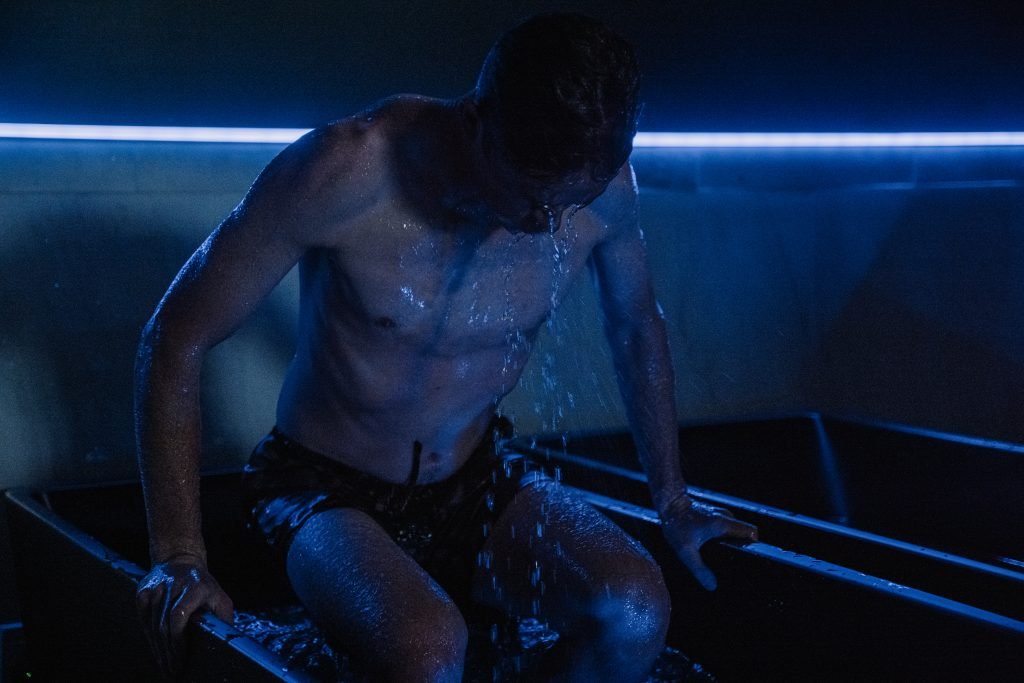
It’s Usually the First Question People Ask
Spend a few minutes reading about cold water therapy online, and you’ll quickly notice one question appearing again and again.
How long should you stay in a cold plunge?
Some people insist that a couple of minutes is enough. Others talk about staying in the water for much longer, often sharing personal records or dramatic challenges on social media.
It’s easy to see why beginners become confused.
When every source seems to recommend a different number, it starts to feel as though there’s a perfect amount of time that everyone should be aiming for.
There isn’t.
The truth is that cold exposure isn’t about reaching a specific number on a stopwatch. How long you stay in the water depends on several factors, including your experience, the water temperature, your overall health, and the reason you’re using cold therapy in the first place.
Someone trying cold water for the first time shouldn’t expect their session to look the same as someone who’s been practising it for years.
That’s completely normal.
Recovery isn’t a competition, and cold exposure isn’t meant to test how much discomfort you can tolerate. The goal is to create a controlled, repeatable experience that supports your overall wellbeing—not to stay in the water for as long as possible.
Why There Isn’t a Universal Answer
One of the biggest misconceptions about cold water therapy is that longer sessions automatically produce better results.
Current research doesn’t support that idea.
Many studies investigating cold water immersion use carefully controlled temperatures and relatively short immersion times rather than encouraging participants to remain in the water for extended periods. The emphasis is usually on consistency and safety, not endurance.
That’s an important distinction.
The body responds to cold exposure almost immediately. Those responses don’t suddenly become more beneficial simply because you remain in the water much longer.
In fact, staying in longer than your body can comfortably tolerate may simply increase discomfort without providing additional advantages.
That’s why experienced coaches and wellness professionals rarely encourage beginners to chase someone else’s routine.
Instead, they recommend focusing on gradual adaptation and paying attention to how your own body responds.
If you’re using a professionally managed Cold Plunge, you’ll also benefit from a stable water temperature, making it easier to build a routine without wondering whether today’s session feels different simply because the water is warmer or colder than last time.
A Better Way to Think About Time
Rather than asking, “What’s the maximum amount of time I can stay in the water?”, a more helpful question is:
“How much cold exposure is appropriate for me today?”
The answer may change.
It can depend on how intensely you’ve exercised, how familiar you are with cold exposure, how you’re feeling that day, and even the purpose of the session.
Someone using cold water after a demanding workout may approach it differently from someone including it as part of a general wellness routine.
That’s why flexibility matters.
A sustainable recovery habit is built around listening to your body, not chasing numbers.
As you become more familiar with cold exposure, you’ll begin to recognise what feels comfortable, what feels challenging, and when it’s time to end a session.
That awareness is far more valuable than trying to match someone else’s stopwatch.
In the next section, we’ll look at what current research says about immersion time, why water temperature matters just as much as duration, and how beginners can approach their first few sessions safely without overthinking the clock.
Looking Beyond the Stopwatch
Once people move past the question of whether they should try a cold plunge, the next question is usually about time.
How many minutes is enough?
The answer depends on more than a single number.
Duration is only one part of the experience. Water temperature, your previous exposure to cold, your overall health, and the purpose of the session all influence how your body responds.
That’s why copying someone else’s routine rarely makes sense.
A video showing someone sitting in freezing water for ten or fifteen minutes might attract attention online, but it doesn’t tell you anything about that person’s experience, training background, or why they chose that length of time.
Those details matter far more than the number on the clock.
Why Water Temperature Changes the Conversation
Imagine two people.
Both spend five minutes immersed in cold water.
At first glance, their sessions appear identical.
But if one person is sitting in significantly colder water than the other, the experience won’t be the same. The body responds differently depending on the temperature, which is one reason researchers pay close attention to controlled conditions when studying cold water immersion.
This is also why it’s difficult to compare experiences shared online.
Many people talk about how long they stayed in the water without mentioning its temperature. Without that information, the duration alone doesn’t provide much context.
Instead of asking, “How many minutes should I stay?”, it often makes more sense to ask whether the session feels controlled, comfortable, and appropriate for your own experience level.
Building Confidence Takes Time
For beginners, the first session isn’t about reaching an ideal duration.
It’s about becoming familiar with the experience.
The initial moments in cold water often feel the most intense because your body is adjusting to the sudden change in temperature. Breathing may become quicker, and the cold can feel surprisingly sharp at first.
As those first moments pass, many people notice that the sensation gradually becomes more manageable.
That doesn’t mean you should stay in the water indefinitely.
It simply means your body has begun adapting to the environment.
With repeated sessions, many people become more comfortable with cold exposure, but that gradual adaptation shouldn’t be mistaken as a reason to keep extending every session.
Progress isn’t measured by staying in the water longer each week.
It’s measured by developing a routine that feels safe, sustainable, and easy to maintain.
More Isn’t Always Better
It’s tempting to assume that if a few minutes of cold exposure may be beneficial, twice as long must be even better.
Recovery rarely works that way.
The body doesn’t reward discomfort for its own sake.
Remaining in cold water long after you’ve reached the point of comfort doesn’t necessarily provide additional value. Instead, it may simply make the experience less enjoyable and discourage you from returning for future sessions.
That’s one reason experienced practitioners often focus on quality rather than duration.
A well-planned session that fits comfortably into your routine is likely to be far more valuable than occasionally pushing yourself to uncomfortable extremes.
Learning to Recognise Your Own Limits
One of the most useful skills you can develop is learning to distinguish between temporary discomfort and the point where it’s time to end the session.
Cold exposure naturally feels uncomfortable at first.
That’s expected.
What shouldn’t happen is ignoring warning signs simply because you’re trying to reach a certain number of minutes.
If you feel unwell, unusually light-headed, confused, or unable to control your breathing, it’s sensible to leave the water rather than continuing to chase a personal record.
Cold water therapy is intended to support recovery—not become an endurance challenge.
For most people, listening to their body’s response will lead to a far healthier long-term routine than following arbitrary time goals shared online.
In the final section, we’ll bring everything together with practical guidance for beginners, answer some of the most common questions about immersion time, and look at what current research says about balancing duration, safety, and recovery.
Finding the Right Balance
By now, the answer is probably clearer than it seemed at the beginning.
There isn’t a single amount of time that’s right for everyone.
The most appropriate duration depends on your experience, the water temperature, your overall health, and why you’re using cold water therapy in the first place.
For some people, a shorter session is all they need to feel refreshed after exercise. Others may gradually become comfortable spending a little longer in the water as they gain experience.
Neither approach is automatically better.
What’s far more important is building a routine that feels safe, consistent, and sustainable.
If every session leaves you dreading the next one, you’re far less likely to continue. On the other hand, if cold exposure becomes a realistic part of your weekly routine, you’re much more likely to experience its potential benefits over time.
Recovery isn’t about proving how long you can tolerate discomfort.
It’s about supporting your body in a way that fits your lifestyle.
Frequently Asked Questions
How long should beginners stay in a cold plunge?
Beginners are generally encouraged to start with shorter sessions while becoming familiar with cold exposure. As confidence grows, the duration can be adjusted gradually based on individual comfort and guidance from a qualified professional.
Is staying in longer more beneficial?
Not necessarily.
Longer sessions don’t automatically provide better results. Cold water therapy is generally more effective when it’s approached consistently and safely rather than treating longer immersion as a goal.
Does water temperature matter more than time?
Both matter.
A few minutes in colder water can feel very different from the same amount of time in slightly warmer water. That’s why duration should always be considered alongside water temperature.
Should athletes stay in longer than beginners?
Not always.
Training experience doesn’t automatically determine how long someone should remain in cold water. Recovery goals, the type of exercise performed, and individual response all play an important role.
Can I use a cold plunge every day?
Some people include cold exposure in their daily routine, while others prefer using it after particularly demanding workouts.
The ideal frequency depends on your recovery goals, training schedule, and overall health.
When should I get out of the water?
You should leave the water if you begin feeling unwell, experience unusual dizziness, become confused, or struggle to control your breathing.
Cold exposure should always feel controlled, never forced.
Is there an ideal number of minutes?
There isn’t one universal number.
The most appropriate duration varies from person to person, which is why most experts focus on safe, controlled exposure rather than recommending the same time for everyone.
Final Thoughts
It’s understandable to want a simple answer.
After all, knowing the “perfect” number of minutes would make planning a cold plunge session much easier.
But recovery rarely works that way.
The body doesn’t respond to cold exposure according to a stopwatch alone. Your experience, water temperature, health, and recovery goals all influence what feels appropriate on any given day.
Instead of chasing longer sessions, focus on developing a routine you can maintain consistently.
Over time, that consistency is likely to matter far more than adding another minute to the clock.
Whether your sessions are short or slightly longer, the goal remains the same: using cold water therapy as one part of a balanced recovery routine that supports your long-term wellbeing.
References
- American College of Sports Medicine (ACSM). Recovery and Exercise Resources.
- National Library of Medicine (PubMed). Cold Water Immersion Research.
- Cleveland Clinic. Cold Plunge: Benefits, Risks & Safety.
- Mayo Clinic. Cold exposure and recovery guidance.
- Bleakley CM, Costello JT. Cold Water Immersion for Preventing and Treating Muscle Soreness After Exercise. Cochrane Database of Systematic Reviews.
Related Reading
Continue exploring cold water therapy with these articles:
- Cold Plunge: The Complete Beginner’s Guide to Cold Water Therapy
- Cold Plunge or Sauna First? How to Choose the Best Order for Recovery
- Cold Plunge vs Ice Bath: What’s the Difference?
- The Best Time to Take a Cold Plunge: Before or After Exercise?
- Common Cold Plunge Mistakes Beginners Should Avoid
- Is Cold Plunge Safe? Benefits, Risks, and Precautions
- Cold Plunge and Muscle Recovery: What Does the Research Say
⚠️ A Note for Our Readers
The information shared in this article has been carefully researched using available studies, expert sources, and reliable health information. Our goal is to help readers better understand the topic and make informed decisions about their wellness. However, everyone’s health and circumstances are different, and research continues to evolve. This content is for educational and informational purposes only and should not be considered medical advice. If you have any health concerns or questions about whether a particular practice is right for you, please consult a qualified healthcare professional or physician.