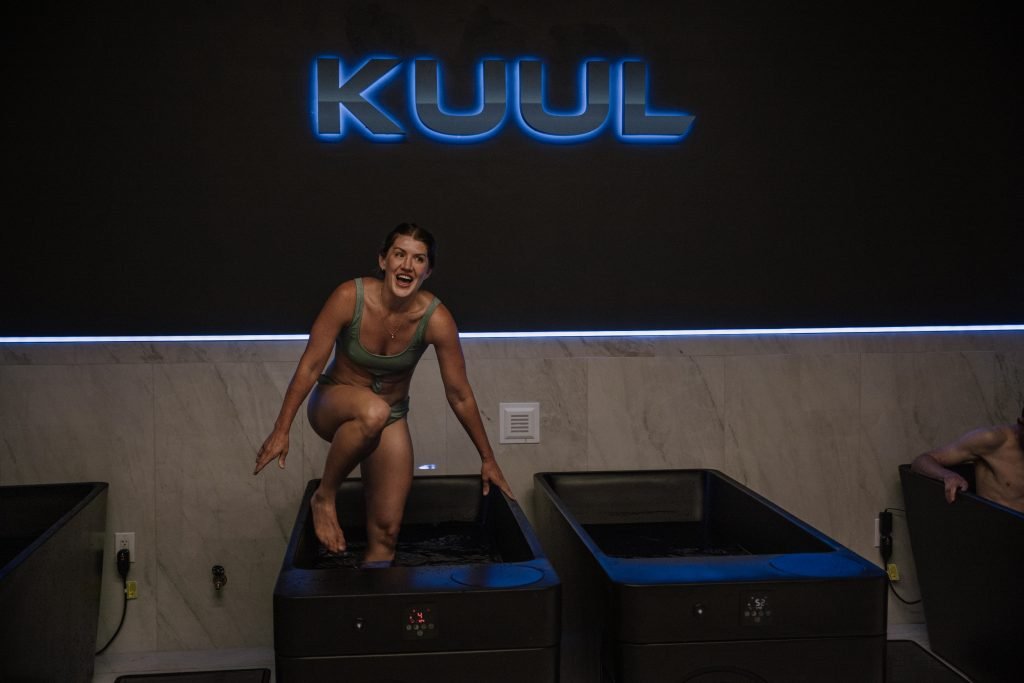
Everyone Starts Somewhere—And Almost Everyone Makes the Same Mistakes
The first time someone steps into a cold plunge, there’s usually a mix of curiosity and uncertainty. They’ve heard about the potential benefits, watched videos of athletes climbing into icy water without hesitation, and read stories from people who swear by cold water therapy. By the time they finally decide to try it themselves, it’s easy to feel as though they already know what to expect. In reality, the experience is often very different. The cold feels more intense than imagined, breathing changes almost immediately, and the mind begins asking questions that never seemed important before. How long should I stay? Is this cold enough? Am I doing it correctly?
Those questions are completely normal, and asking them doesn’t mean you’re unprepared. What matters is where the answers come from. Unfortunately, many beginners rely on social media clips or personal anecdotes that show the most dramatic moments rather than the habits that make cold water therapy safe and sustainable. A thirty-second video rarely explains how someone built up to that point, how often they train, or whether they adjusted their routine over weeks or months. It simply shows the highlight, leaving viewers to fill in the gaps themselves.
That is why so many cold plunge mistakes happen before a person even gets into the water. Expectations are shaped by impressive moments instead of practical guidance. People begin believing that staying in longer, choosing colder temperatures, or pushing through discomfort is the quickest path to better results. While those ideas may sound convincing, they overlook something much more important: cold water therapy isn’t about proving how much discomfort you can tolerate. It’s about using cold exposure in a way that fits your health, your lifestyle, and your long-term recovery goals.
Why Good Advice Often Gets Lost Online
Cold plunges have become far more visible over the last few years. What was once mostly associated with professional athletes and high-performance training centres is now part of mainstream wellness. Recovery studios are opening in more cities, gyms are adding cold plunge facilities, and home systems are becoming increasingly popular. As interest has grown, so has the amount of advice available online—but quantity doesn’t always lead to quality.
One of the biggest challenges for beginners is separating education from entertainment. Social media rewards content that’s dramatic, surprising, or visually impressive. A creator sitting calmly in freezing water for several minutes attracts far more attention than someone explaining why they started with shorter sessions or gradually adjusted the temperature over time. As a result, many people are exposed to the most extreme examples before they ever learn the fundamentals.
The reality is much less dramatic. Most experienced cold plunge users didn’t develop a consistent routine overnight. They learned how their bodies responded, adjusted their expectations, and discovered what worked for them through repetition rather than extremes. That’s an important difference because sustainable habits are usually built through patience, not intensity. If you’re new to cold water therapy, it’s far more valuable to understand the basics than it is to copy someone else’s routine without knowing the reasoning behind it.
Recovery Should Never Feel Like a Competition
It’s surprisingly easy to turn a wellness habit into a personal challenge. The moment beginners start comparing themselves with athletes, influencers, or friends, they often stop paying attention to their own experience. Someone else stayed in for five minutes, so maybe they should too. Another person uses colder water, so perhaps that’s the standard they need to reach. Before long, the focus shifts away from recovery and towards performance.
That mindset can create unnecessary pressure. Unlike many forms of exercise, cold water therapy isn’t about setting personal records. Success isn’t measured by how uncomfortable you can make yourself or how long you can ignore the urge to step out. A productive session is one that supports your overall wellbeing and leaves you feeling confident enough to return another day.
The people who benefit most from cold water therapy are rarely the ones chasing extremes. More often, they’re the ones who approach each session with realistic expectations, pay attention to how they feel afterwards, and gradually build a routine they can maintain alongside good sleep, balanced nutrition, and regular physical activity. Those habits don’t generate viral videos, but they do create something much more valuable: consistency.
If you’re still exploring the basics of cold water therapy, our complete Cold Plunge guide explains how the practice works, what beginners can expect, and how to build a safe, sustainable routine from the very beginning.
Learning From the Mistakes Most Beginners Never Expect
By the time someone completes their first few cold plunge sessions, something interesting usually happens. The initial fear of stepping into cold water begins to fade, and confidence starts to grow. While that’s a positive sign, it’s also the stage where many beginners become a little too comfortable. They stop asking questions, assume they’ve figured everything out, and gradually develop habits that seem harmless but can affect both their experience and their recovery over time.
The encouraging news is that most cold plunge mistakes don’t come from a lack of discipline or motivation. They happen because people misunderstand what cold water therapy is supposed to achieve. Instead of treating it as one part of a balanced recovery routine, they begin expecting it to solve every problem on its own. That’s where unrealistic expectations often replace practical decision-making.
More Time Doesn’t Always Mean Better Results
One of the easiest assumptions to make is that if a few minutes in cold water feels beneficial, then staying in even longer must be even better. It’s an idea that sounds logical because many aspects of fitness reward gradual progression. You can improve endurance by running farther, build strength by lifting more weight, and develop skills through regular practice.
Cold water therapy works a little differently.
Its purpose isn’t to test how long you can tolerate discomfort. Spending additional time in the water simply because you don’t want to “quit early” isn’t necessarily helping your recovery. In many cases, beginners remain in the plunge because they’re comparing themselves with someone else’s routine rather than paying attention to how they actually feel.
A more sustainable approach is to leave the water feeling in control rather than completely exhausted by the experience. Recovery habits are far easier to maintain when they feel achievable every week instead of becoming something you dread repeating.
Chasing the Lowest Possible Temperature
Another common mistake is believing that colder automatically means more effective.
It’s understandable why this idea spreads so easily. Videos showing ice-covered tubs or extremely low temperatures attract attention because they look impressive. For someone watching online, it’s easy to assume that the colder the water, the greater the reward.
In reality, consistency is usually much more valuable than intensity.
A professionally maintained cold plunge is designed to keep the water within a controlled temperature range, allowing you to repeat the experience under similar conditions each time. That’s very different from constantly trying to make every session colder than the last.
When beginners focus only on lowering the temperature, they often lose sight of the bigger picture. The goal isn’t to create the most uncomfortable experience possible. It’s to build a routine that supports your overall wellbeing without adding unnecessary stress.
Forgetting That Recovery Starts Before You Enter the Water
Many people think a cold plunge begins the moment they step into the tub.
It actually starts beforehand.
Arriving flustered, rushing through the session, or jumping straight into cold water without taking a moment to settle often creates a completely different experience from approaching it calmly. The body’s natural response to sudden cold is to breathe faster and tense the muscles. That’s expected, but it doesn’t mean you need to fight against it.
Experienced cold plunge users often spend the first few moments simply slowing their breathing and allowing themselves to adapt to the temperature. That small adjustment can completely change how the session feels.
The same applies afterwards. Finishing a cold plunge doesn’t mean recovery is complete. Hydration, nutritious meals, quality sleep, and sensible training choices continue to play a much larger role in long-term wellbeing than any single recovery method ever could.
Comparing Your Journey With Someone Else’s
Perhaps the most overlooked mistake isn’t about temperature or timing at all.
It’s comparison.
A beginner watches someone who’s been using cold plunges for years and assumes they should be able to do exactly the same thing. The comparison feels harmless, but it often creates unnecessary pressure.
The reality is that no two people arrive with the same training history, health background, recovery goals, or daily routine. Someone preparing for an endurance event will naturally approach recovery differently from someone who exercises a few evenings each week to stay healthy.
Cold water therapy should reflect your own needs—not someone else’s highlights on social media.
The best routine isn’t the one that looks the most impressive online.
It’s the one you can maintain comfortably and safely over the long term.
Thinking Cold Water Can Replace the Basics
As interest in recovery has grown, it’s become tempting to search for one habit that solves everything.
Cold plunges sometimes receive that kind of attention.
People hope they’ll compensate for poor sleep, inconsistent nutrition, dehydration, or overtraining. Unfortunately, recovery doesn’t work that way.
Cold water therapy is most effective when it complements healthy habits rather than replacing them. Think of it as one piece of a much larger puzzle. Sleep remains essential. Good nutrition still fuels recovery. Hydration supports countless processes throughout the body. Regular movement and appropriate rest continue to matter every single week.
Understanding this helps set realistic expectations from the beginning. Instead of looking for quick fixes, you begin building a recovery routine that’s both practical and sustainable.
By now, you’ve probably noticed a pattern running through all of these cold plunge mistakes. They’re rarely caused by the cold itself. More often, they’re the result of unrealistic expectations, unnecessary comparisons, or forgetting that recovery is about consistency rather than extremes.
Building Better Habits Is More Important Than Avoiding Every Mistake
One reassuring truth about cold water therapy is that almost every experienced person was once a beginner. They misjudged temperatures, questioned whether they were staying in long enough, and wondered if they were doing everything correctly. The difference is that they treated those early experiences as opportunities to learn rather than reasons to push harder.
That’s a helpful mindset to adopt.
Cold plunges aren’t about perfection. They’re about becoming more familiar with your own body over time. Some sessions will feel easier than others. Some days you’ll feel ready for cold exposure, while on other days it may make more sense to skip it altogether. There’s nothing inconsistent about that—it’s simply part of listening to your body instead of following a rigid routine.
Many beginners worry about making mistakes because they believe one bad session will undo all the potential benefits. In reality, recovery is shaped by the habits you repeat over weeks and months, not by a single morning where the water felt colder than expected or you decided to end the session earlier than planned.
A Simple Approach Usually Works Best
If there’s one lesson worth taking away from this guide, it’s that cold water therapy doesn’t have to be complicated.
You don’t need the coldest water.
You don’t need the longest session.
And you don’t need to copy someone else’s routine just because it looks impressive online.
Instead, start with realistic expectations and give yourself room to learn. Pay attention to how your body responds before, during, and after each session. If something feels uncomfortable beyond the normal shock of cold water, don’t ignore it simply because someone else says that’s “part of the process.”
The best recovery routine is the one you can maintain comfortably alongside healthy sleep, balanced nutrition, regular movement, and appropriate rest. Cold water therapy can support those habits, but it works best when it’s treated as one piece of a much bigger picture.
Frequently Asked Questions
What is the most common cold plunge mistake?
One of the most common cold plunge mistakes is believing that longer sessions or colder temperatures automatically produce better results. For most beginners, consistency and gradual progression are far more important than intensity.
Is it normal to feel nervous before a cold plunge?
Yes. Many people feel anxious before their first few sessions because the body’s natural response to cold water is immediate and unfamiliar. As you become more comfortable with the process, that feeling often becomes easier to manage.
Should I cold plunge every day?
Not everyone needs to. How often you use cold water therapy depends on your goals, activity level, overall health, and personal preferences. A routine that fits naturally into your lifestyle is usually more sustainable than trying to plunge every day.
Can I ignore breathing if I’m only staying in for a short time?
No. Controlled breathing is an important part of the experience regardless of how long you plan to stay in the water. Remaining calm helps many beginners feel more comfortable during cold exposure.
Can cold water therapy replace stretching, sleep, or good nutrition?
No. Cold water therapy should be viewed as a complementary recovery practice rather than a replacement for the fundamentals of health. Sleep, hydration, balanced nutrition, and appropriate training remain essential.
When should I stop a cold plunge session?
If you experience symptoms that go beyond the expected initial response to cold—such as persistent dizziness, chest pain, unusual shortness of breath, or anything that feels concerning—leave the water and seek medical advice if needed.
Final Thoughts
Cold water therapy has earned its place in many recovery routines, but it’s easy to forget that the practice itself is relatively simple. Most of the benefits people hope to achieve don’t come from chasing colder temperatures or longer sessions. They come from approaching the experience with patience, realistic expectations, and a willingness to learn over time.
The good news is that most cold plunge mistakes are completely avoidable. They don’t require expensive equipment or advanced knowledge to fix. More often than not, they’re corrected by slowing down, paying attention to your body’s feedback, and remembering that recovery isn’t a competition.
If you’re just beginning your cold plunge journey, don’t focus on having the perfect first session. Focus on building a routine that feels safe, practical, and sustainable. Months from now, that consistency will matter far more than any single session ever could.
References
- American College of Sports Medicine (ACSM). Recovery Strategies for Exercise and Physical Activity.
- Cleveland Clinic. Cold Plunge: Benefits, Risks, and Safety Considerations.
- National Library of Medicine (PubMed). Research on cold water immersion, exercise recovery, and safety.
- Mayo Clinic. Guidance on exercise recovery, wellness, and cold exposure.
Related Reading
Continue exploring cold water therapy with these guides:
- Cold Plunge: The Complete Beginner’s Guide to Cold Water Therapy
- Cold Plunge or Sauna First? How to Choose the Best Order for Recovery
- Cold Plunge vs Ice Bath: What’s the Difference?
- How Long Should You Stay in a Cold Plunge?
- The Best Time to Take a Cold Plunge: Before or After Exercise?
- Is Cold Plunge Safe? Benefits, Risks, and Precautions
- Cold Plunge and Muscle Recovery: What Does the Research Say?
⚠️ A Note for Our Readers
The information shared in this article has been carefully researched using available studies, expert sources, and reliable health information. Our goal is to help readers better understand the topic and make informed decisions about their wellness. However, everyone’s health and circumstances are different, and research continues to evolve. This content is for educational and informational purposes only and should not be considered medical advice. If you have any health concerns or questions about whether a particular practice is right for you, please consult a qualified healthcare professional or physician.