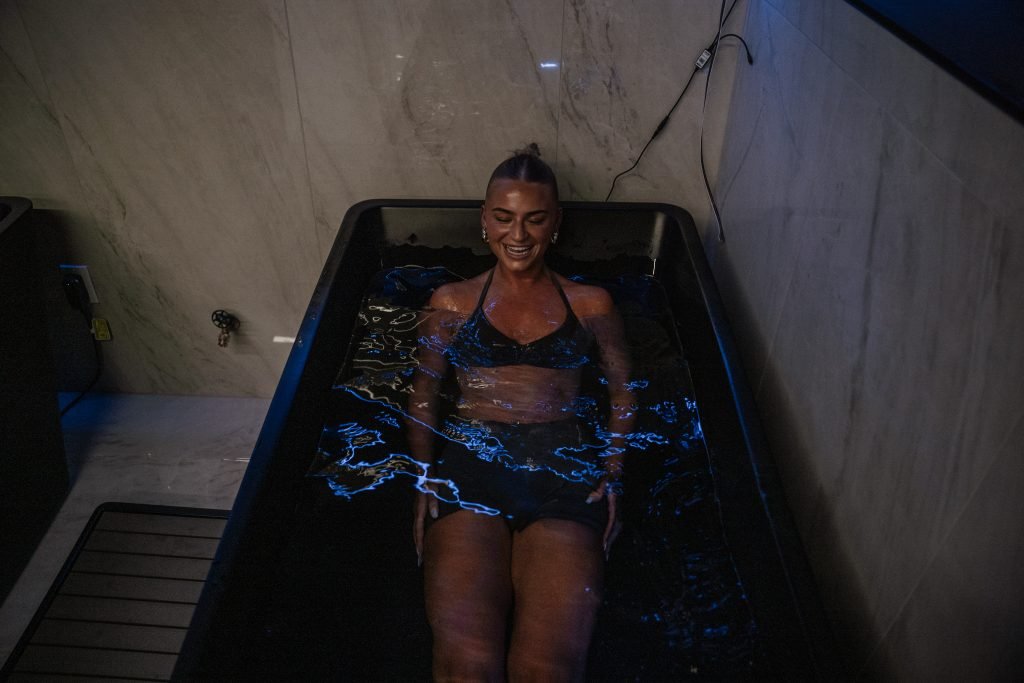
Recovery Isn’t Just for Athletes
Not too long ago, conversations about recovery were mostly reserved for professional athletes and sports teams. It was something associated with demanding training schedules, major competitions, and performing at the highest level.
That picture has changed.
Today, recovery has become part of everyday life for people who simply want to stay active and feel their best. You don’t need to be training for a marathon to notice the difference between waking up refreshed and waking up still carrying yesterday’s fatigue.
For some, recovery means feeling ready for the next strength session. For others, it’s having enough energy for a weekend hike, a morning run, or even a busy day that involves more time on your feet than behind a desk.
Different lifestyles place different demands on the body, but they all have one thing in common.
The body needs time, rest, and the right conditions to adapt.
That’s one reason recovery has become a bigger part of the wellness conversation over the past few years. Instead of waiting until soreness becomes a problem, more people are looking for practical ways to support their body before fatigue starts affecting how they move and feel.
Among the many approaches now being explored, cold water therapy continues to attract attention. Some people discover it through sport, while others hear about it from a friend, a coach, or a local recovery studio.
Before deciding whether it’s worth adding to your own routine, it helps to understand what it is—and just as importantly—what it isn’t.
What Is Cold Water Therapy?
Cold water therapy involves exposing the body to cold water for a short, controlled period as part of a broader recovery or wellness routine.
The purpose isn’t to see how long you can tolerate the cold.
Instead, it’s about creating a consistent environment where the body can respond and adapt to cold exposure in a controlled way.
This is where many people become confused.
The terms cold water therapy, cold plunge, and ice bath are often used interchangeably, even though they don’t always describe the same experience.
An ice bath is usually prepared by filling a tub with water and adding ice. Depending on the amount of ice, room temperature, and how long the water has been sitting, conditions can vary from one session to the next.
A professionally maintained Cold Plunge keeps the water filtered, circulated, and held at a consistent temperature. That consistency makes it easier to create a predictable recovery experience every time you step in.
Why More People Are Exploring Cold Water Therapy
Not everyone who tries cold water therapy is chasing better athletic performance.
Some people are looking for a way to unwind after physically demanding work. Others want to feel more prepared for tomorrow’s workout without relying on complicated recovery routines.
There are also those who simply become curious after hearing positive experiences from friends or seeing cold plunge facilities appear in their local community.
That growing interest reflects a broader change in how people think about wellbeing.
Instead of asking, “How hard can I train?” more people are beginning to ask, “How well can I recover?”
It’s a subtle shift, but an important one.
A good recovery routine isn’t about doing more. It’s about giving your body the opportunity to respond to the demands you place on it, whether those demands come from exercise, work, or everyday life.
Cold water therapy has become part of that conversation because it’s relatively simple, accessible, and easy to include within an existing routine.
That doesn’t mean it’s essential for everyone.
It simply means it’s one of several options people may choose to explore as they build habits that support long-term health and physical wellbeing.
Looking Beyond Social Media Claims
Spend a few minutes searching online, and you’ll quickly find conflicting opinions.
One article describes cold water therapy as a game-changing recovery method.
Another dismisses it as nothing more than another wellness trend.
The truth usually sits somewhere between those two extremes.
Like many recovery practices, cold water therapy isn’t designed to replace quality sleep, balanced nutrition, regular movement, or proper hydration. Those habits remain the foundation of good recovery and overall health.
What cold water therapy offers is something different.
It may become a useful addition to an already healthy lifestyle, particularly for people who enjoy staying active and are interested in exploring evidence-based recovery strategies.
Understanding where it fits—and where it doesn’t—is far more valuable than expecting it to deliver dramatic overnight results.
That’s exactly what the rest of this guide is designed to explore.
A Different Way to Think About Recovery
One of the biggest misconceptions about recovery is that it only begins after you start feeling sore.
In reality, the process starts much earlier.
Whether you’ve finished a demanding workout, completed a long shift at work, or spent an afternoon hiking with friends, your body immediately begins adapting to the physical effort you’ve just put it through. Energy stores start to replenish, damaged tissues begin repairing themselves, and countless small biological processes work quietly in the background.
Most of this happens without us noticing.
There’s no visible signal to tell you that recovery has begun. It simply becomes part of the body’s natural rhythm.
That’s why recovery isn’t something you switch on after exercise.
It’s an ongoing process that continues long after the activity itself has ended.
Understanding this changes the way we think about recovery strategies. Instead of searching for one solution that promises dramatic results, it becomes more useful to build habits that consistently support the body’s ability to adapt.
Cold water therapy is often discussed within that context—not as a replacement for healthy habits, but as one possible addition to them.¹
Beyond the Initial Shock
Ask someone about their first experience with cold water therapy, and they’ll probably mention the temperature before anything else.
That’s understandable.
The first few seconds are often the most memorable because the body reacts immediately to the change in temperature. Breathing naturally becomes quicker, heart rate may rise briefly, and every instinct tells you to step back out.
Those reactions are completely normal.
They aren’t signs that something is wrong; they’re part of the body’s built-in response to cold exposure. As the initial shock begins to fade, breathing usually settles into a more comfortable rhythm, allowing the body to adjust to its surroundings.¹
For many people, that moment becomes about more than physical comfort.
Learning to stay calm, slow the breath, and avoid reacting impulsively is often described as one of the most valuable parts of the experience. The cold doesn’t become easier because it changes—it becomes easier because your response changes.
Why the Conversation Goes Beyond Muscle Soreness
If you’ve spent any time reading about cold water therapy online, you’ve probably seen it linked with sore muscles.
That’s because muscle soreness is one of the most researched areas of cold water immersion.
But recovery involves much more than how your legs or shoulders feel the next morning.
Good recovery is about giving your body the opportunity to adapt to physical demands so you’re prepared for whatever comes next. Sometimes that’s another training session. Sometimes it’s a busy day at work. Sometimes it’s simply having enough energy to enjoy your weekend instead of feeling drained by Friday afternoon.
Looking at recovery through that wider lens makes it easier to understand why different people build different routines.
A recreational runner may prioritise mobility and sleep.
Someone recovering after strength training may focus on nutrition and hydration.
Another person might decide that adding occasional cold water sessions fits naturally alongside those habits.
There’s no single routine that’s right for everyone.
The best approach is usually the one you can maintain consistently over time.
What Current Research Actually Tells Us
Scientific interest in cold water immersion has grown steadily over the past two decades, particularly within sports medicine.
Rather than asking whether cold water therapy is “good” or “bad,” researchers have focused on more practical questions.
Can it help reduce the feeling of muscle soreness after demanding exercise?
Does it support recovery between closely scheduled training sessions?
Are certain people more likely to benefit than others?
The answers aren’t always simple.
Several systematic reviews suggest that cold water immersion may reduce the perception of delayed-onset muscle soreness following strenuous exercise. At the same time, researchers also point out that the overall effect depends on factors such as exercise intensity, water temperature, immersion time, and individual differences.²³
In other words, the evidence doesn’t support treating cold water therapy as a miracle solution.
It supports viewing it as one recovery tool among many.
That balanced perspective is one reason sports scientists continue to study the topic rather than offering universal recommendations.
Building a Routine That Works in Real Life
It’s easy to become distracted by new recovery trends.
What’s much harder is staying consistent with the basics.
Sleeping well every night.
Eating nutritious meals.
Staying hydrated.
Moving regularly.
Managing stress.
Those habits continue to have the greatest influence on how the body recovers and performs over time.
Cold water therapy doesn’t replace any of them.
Instead, it can complement an already healthy routine when it aligns with your lifestyle and goals.
That’s an important distinction because sustainable recovery isn’t built around doing more.
It’s built around doing the right things consistently.
When viewed through that perspective, cold water therapy becomes less about chasing trends and more about making informed choices based on your own needs, preferences, and level of activity.
Making Cold Water Therapy Work for You
By this point, you’ve probably realised that cold water therapy isn’t about following a trend. It’s about understanding whether it has a meaningful place in your own routine.
For some people, it may become a regular part of post-workout recovery. Others might use it occasionally after a particularly demanding hike, long cycling session, or weekend of physical activity. There are also people who try it a few times, decide it isn’t for them, and continue recovering well through other healthy habits.
All of those choices are valid.
The most effective recovery routine is rarely the one with the longest list of techniques. More often, it’s the one you can maintain consistently without disrupting the rest of your lifestyle.
If you decide to explore cold water therapy, start with realistic expectations. Pay attention to how your body responds over time rather than judging the experience after a single session. Recovery isn’t measured by one day or one workout—it’s shaped by the habits you repeat week after week.
Knowing When to Be Cautious
Cold water therapy isn’t suitable for everyone, and that’s an important part of the conversation.
People with cardiovascular disease, uncontrolled high blood pressure, poor circulation, or certain medical conditions should speak with a healthcare professional before trying cold water immersion. The sudden change in temperature places additional demands on the body, which may not be appropriate for every individual.¹
Pregnant individuals, anyone recovering from surgery, or people managing chronic health conditions should also seek professional medical advice before adding cold exposure to their routine.
Taking a thoughtful approach isn’t a sign of weakness.
It’s simply part of making informed decisions about your health.
Frequently Asked Questions
Is cold water therapy the same as a cold plunge?
Not exactly.
Cold water therapy is the broader practice of using cold water as part of a wellness or recovery routine. A cold plunge is one way of doing it, usually in a professionally maintained tub where the water temperature is kept consistent. An ice bath is another form, although the temperature often varies because it’s prepared manually.
Is cold water therapy suitable for beginners?
Yes, many beginners can try cold water therapy safely, provided they start gradually and don’t have any underlying medical conditions that make cold exposure unsafe. Short, controlled sessions are generally a better starting point than trying to stay in the water for as long as possible.
How long should a beginner stay in cold water?
There’s no single answer that works for everyone.
The right duration depends on factors such as water temperature, personal comfort, overall health, and the reason for using cold water therapy. Focusing on controlled breathing and consistency is usually more helpful than concentrating on the clock.
Can cold water therapy help with muscle soreness?
Research suggests that cold water immersion may help reduce the feeling of muscle soreness after strenuous exercise for some people. The benefits vary depending on the individual, the type of activity performed, and how the therapy is used.²
Should you use cold water therapy every day?
That depends on your activity level, recovery goals, and personal preference.
Some active individuals include it several times each week, while others reserve it for periods of heavier training. A personalised approach is generally more effective than following a fixed schedule.
Is a cold shower the same as cold water therapy?
A cold shower exposes the body to cold water and may help someone become more comfortable with cold exposure. However, a cold plunge or cold water immersion typically provides more consistent and complete contact with cold water, creating a different experience.
Can cold water therapy replace sleep or proper nutrition?
No.
Quality sleep, balanced nutrition, hydration, and regular movement remain the foundations of recovery. Cold water therapy should be viewed as something that may complement those habits rather than replace them.
Is it normal to feel uncomfortable during the first session?
Yes.
Many people experience an initial feeling of discomfort as the body adjusts to the cold. That reaction usually becomes easier to manage with calm breathing, gradual exposure, and experience.
Final Thoughts
Recovery isn’t reserved for elite athletes anymore.
It’s part of everyday life for anyone who wants to stay active, feel stronger, and continue enjoying the activities that matter to them.
Cold water therapy has become increasingly popular because it’s simple to understand and relatively easy to incorporate into a broader recovery routine. While research continues to explore its full range of benefits, the current evidence suggests it may be a useful option for some individuals when combined with healthy lifestyle habits.
The key is to approach it with realistic expectations.
There’s no single recovery method that works for everyone, and there probably never will be. The best routine is the one that supports your body, fits your lifestyle, and helps you stay consistent over time.
If cold water therapy becomes part of that routine, it should be because it adds value—not because it promises quick results.
References
- Cleveland Clinic. Cold Plunge: Benefits, Risks & Safety. https://health.clevelandclinic.org/cold-plunge
- Bleakley CM, Costello JT. Cold-water immersion (cryotherapy) for preventing and treating muscle soreness after exercise. Cochrane Database of Systematic Reviews. Machado AF, Ferreira PH, Micheletti JK, et al. Can Water Temperature and Immersion Time Influence the Effect of Cold Water Immersion on Muscle Soreness? Sports Medicine.
- National Library of Medicine (PubMed). Cold Water Immersion Research.
- American College of Sports Medicine (ACSM). Recovery and Exercise Resources.
Related Reading
Continue exploring recovery and wellness with these guides:
- Cold Plunge or Sauna First? How to Choose the Best Order for Recovery
- Cold Plunge vs Ice Bath: What’s the Difference?
- How Long Should You Stay in a Cold Plunge?
- The Best Time to Take a Cold Plunge: Before or After Exercise?
- Common Cold Plunge Mistakes Beginners Should Avoid
- Is Cold Plunge Safe? Benefits, Risks, and Precautions
- Cold Plunge and Muscle Recovery: What Does the Research Say?
⚠️ A Note for Our Readers
The information shared in this article has been carefully researched using available studies, expert sources, and reliable health information. Our goal is to help readers better understand the topic and make informed decisions about their wellness. However, everyone’s health and circumstances are different, and research continues to evolve. This content is for educational and informational purposes only and should not be considered medical advice. If you have any health concerns or questions about whether a particular practice is right for you, please consult a qualified healthcare professional or physician.